Plant of the Month: Running Postman

Lawn Mowing and Gardening

Running Postman: A Colourful Aussie Groundcover

Pros and Cons of Kennedia prostrata

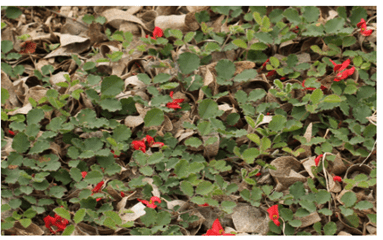
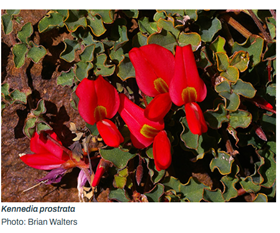
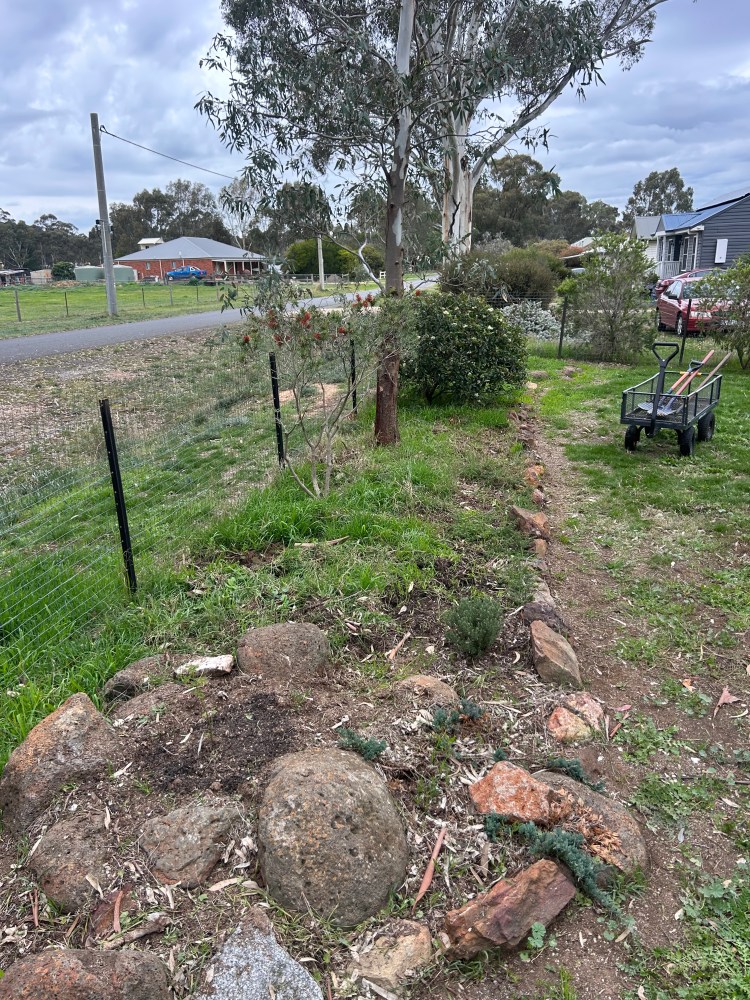
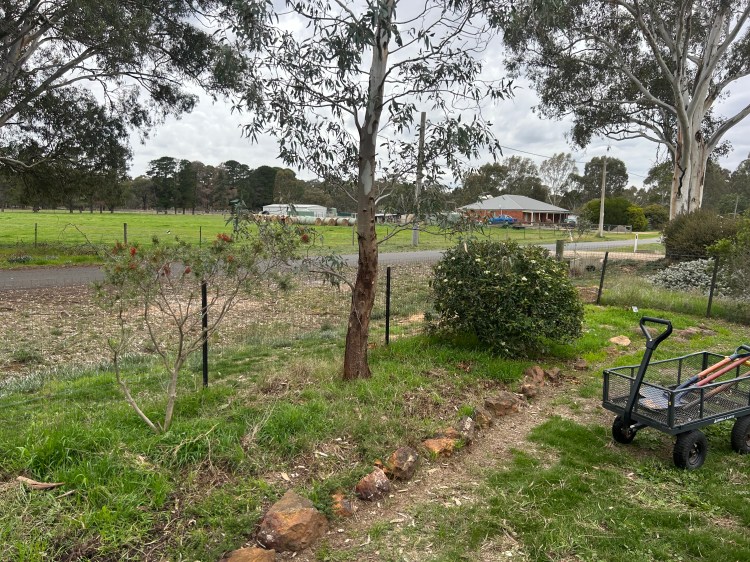
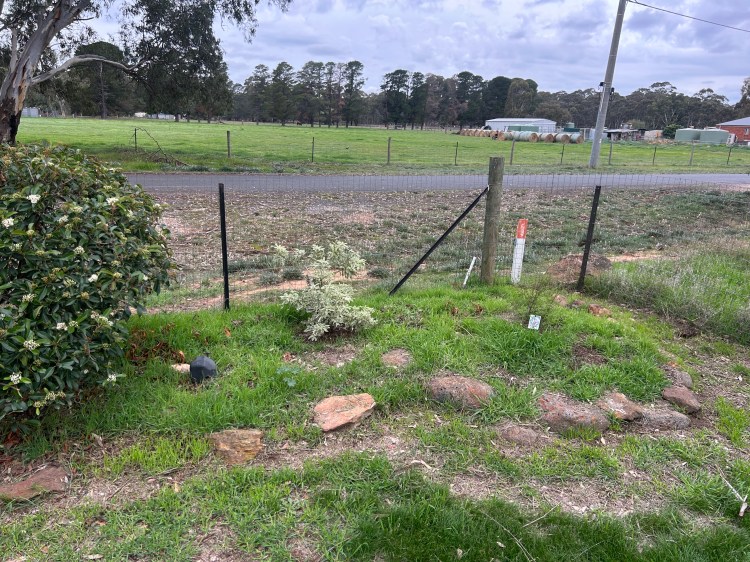
The Running Postman, known botanically as Kennedia prostrata, is a vibrant Australian native groundcover recognised for its trailing habit and bright red pea-shaped flowers. Found across southern parts of Australia, it is a popular choice for native gardens, rockeries, embankments, hanging baskets, and areas where a low-growing plant is needed to soften edges or cover bare ground.

The genus Kennedia consists of around 16 species, all of which are Australian endemics and all are either climbing or trailing plants. Some, such as K.retrorsa and K.nigricans, are extremely vigorous climbers. K.prostrata, on the other hand, is a non-climbing species which grows as a scrambling ground cover to about 2.5 metres in diameter. The leaves are grey-green and divided into three leaflets, a characteristic of the genus. The leaves are about 5 – 25 mm in diameter with undulating margins.

Pros of Running Postman

  • Attractive Flowers: Running Postman produces striking red pea-shaped flowers, often from winter through spring and summer, adding strong colour to native gardens.
  • Useful Groundcover: Its spreading, trailing growth makes it ideal for covering bare soil, spilling over retaining walls, growing in hanging baskets, or softening garden edges.
  • Low Maintenance: Once established, it is generally hardy and can tolerate dry conditions, making it a practical option for many Australian gardens.
  • Wildlife Friendly: The flowers can attract native insects and butterflies, helping support biodiversity in the garden.

Cons of Running Postman

  • Needs Good Drainage: Running Postman dislikes waterlogged soil and may struggle or rot if planted in heavy, poorly drained areas.
  • Can Die Back in Dry Periods: During extended dry conditions, it may die back to the root system before reshooting when conditions improve.
  • May Need Space: Although low-growing, it can spread widely, so it needs enough room or occasional trimming to keep it tidy in smaller gardens.

In summary, Running Postman (Kennedia prostrata) is a colourful, hardy native groundcover that suits many Aussie gardens, especially where a trailing or spreading plant is wanted. While it offers strong visual appeal and wildlife benefits, it performs best in well-drained soil and may need some space and occasional care to stay looking its best.

Local Rain Fall & Soil Temperature


Lawn Mowing and Gardening

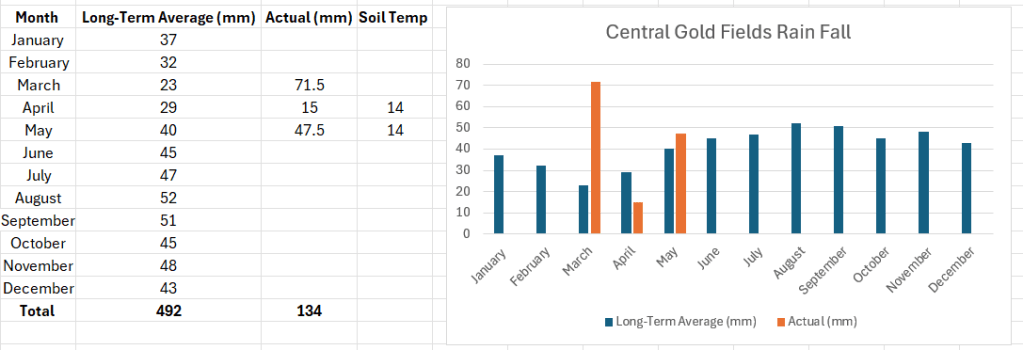
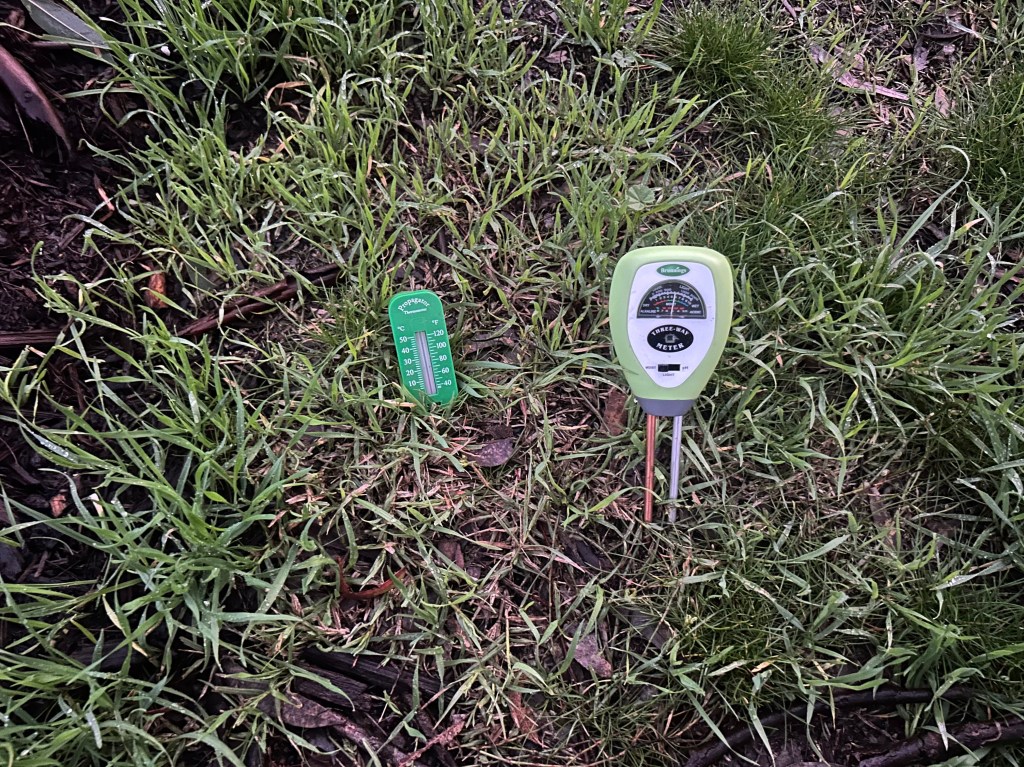
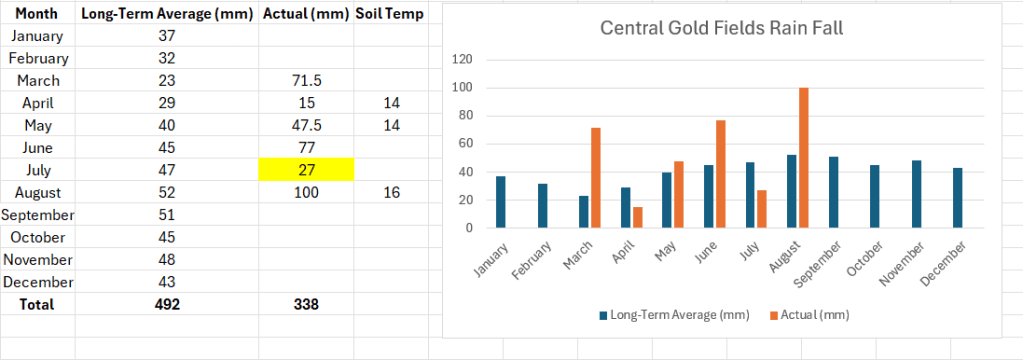
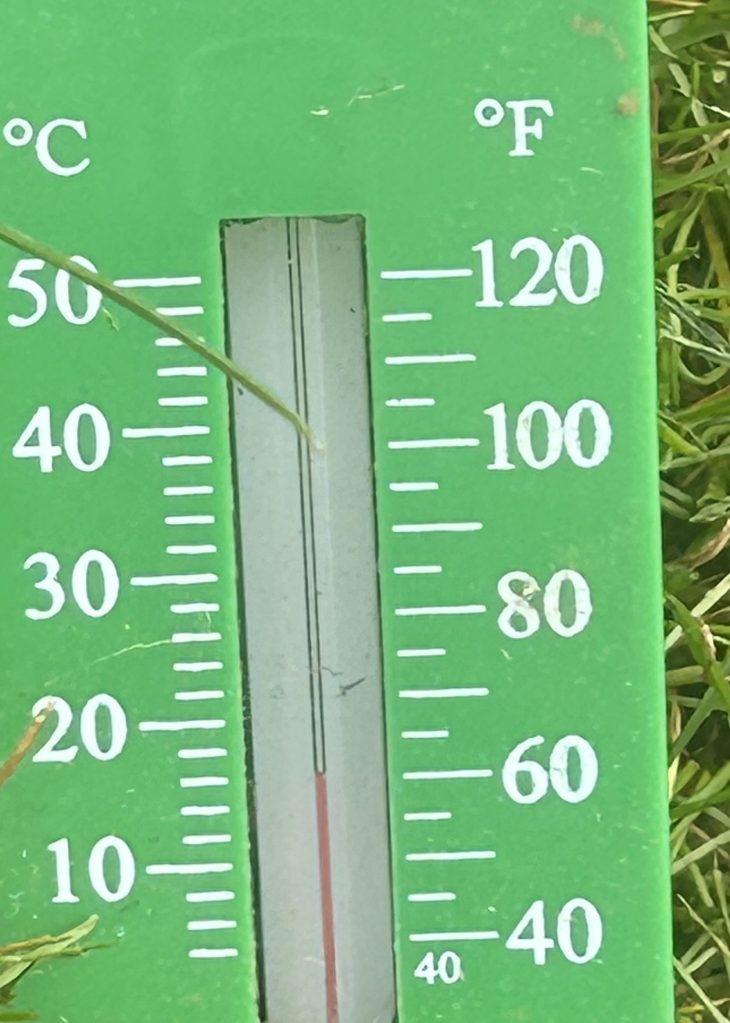
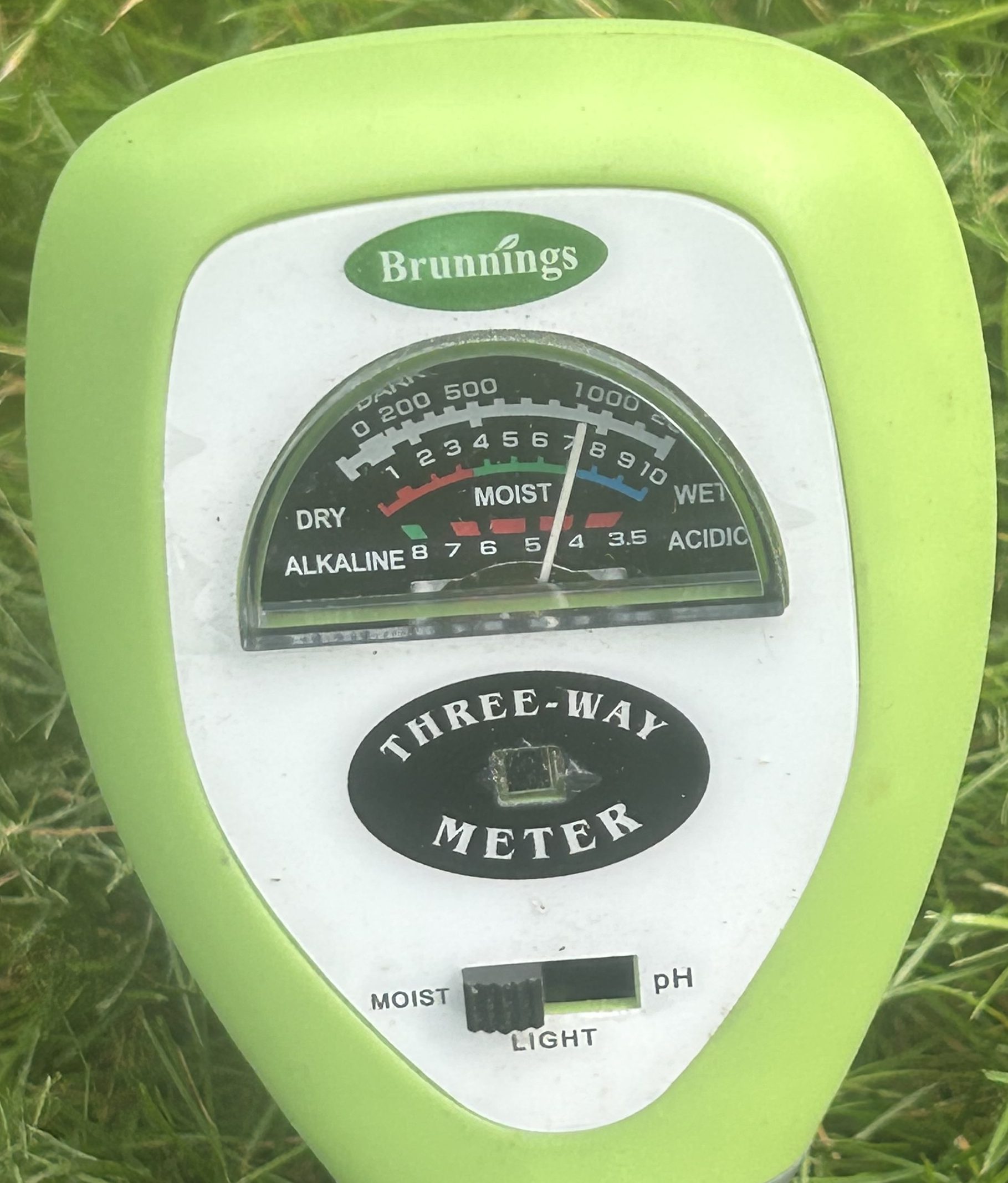
May rain fall was 7.5mm above average with a total of 47.5mm falling. The soil temp was 14 degrees and while checking the rain gauge today I tested the soil temp (18th June) and it was still 14 degrees. 42mm has already fallen since the start of June, so winter is off to a good start. The BOM is forecasting drier and warmer conditions into spring and summer, but hopefully the rain continues to fall 🙂


Mulching Time!

Lawn Mowing and Gardening

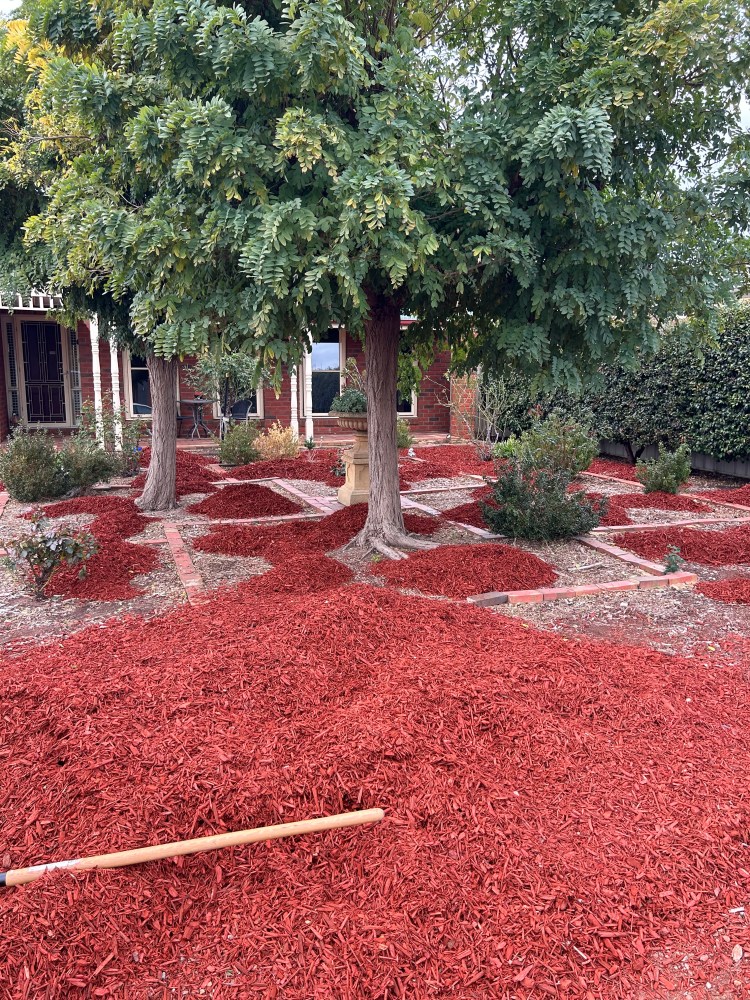
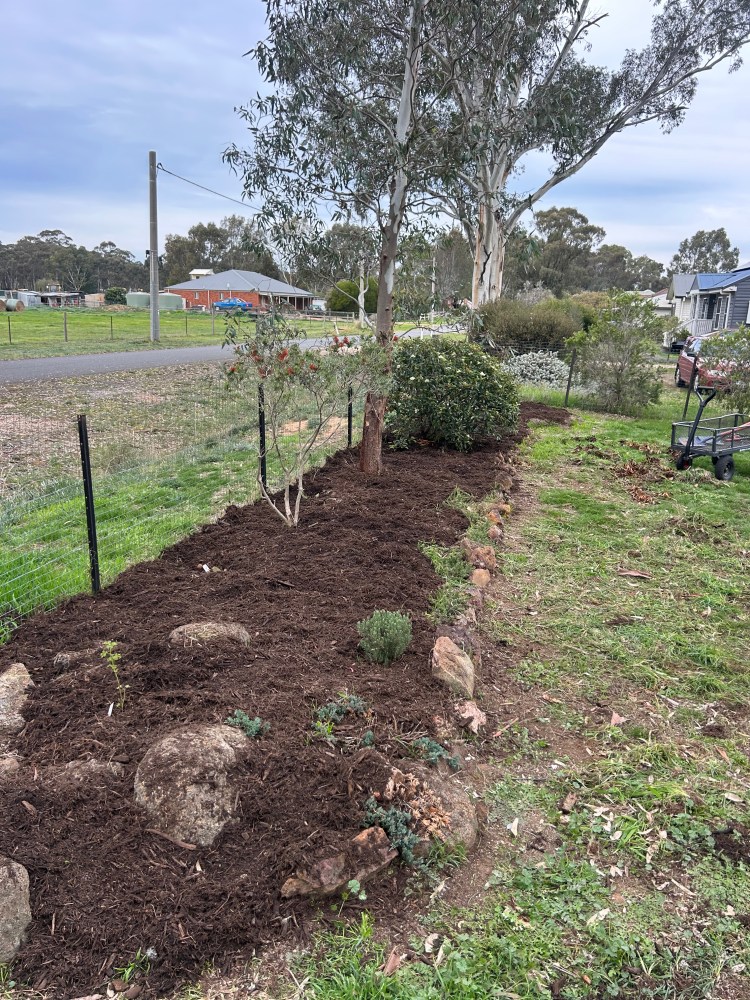
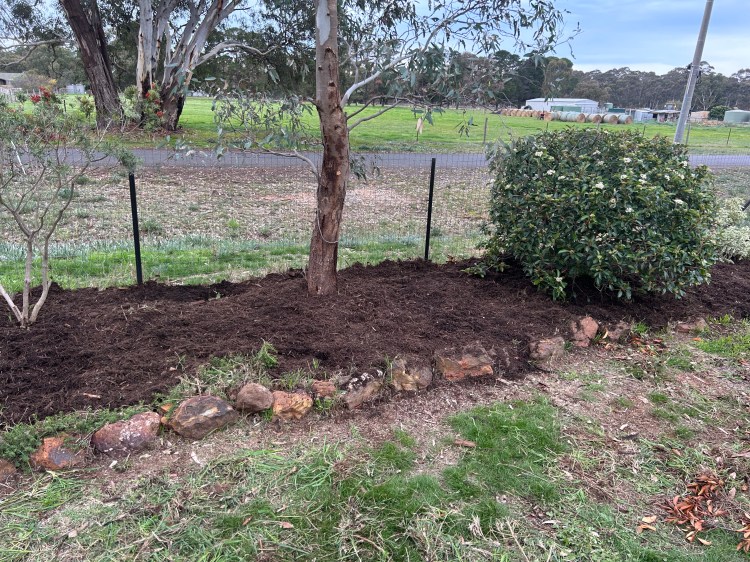
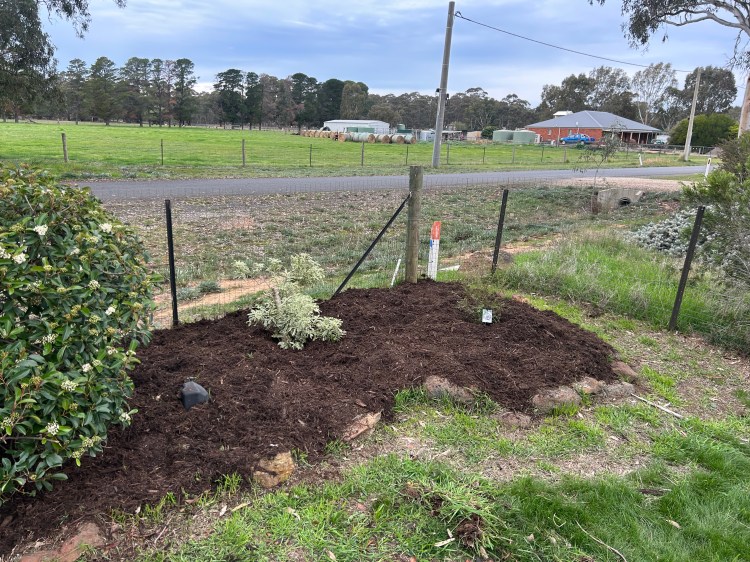
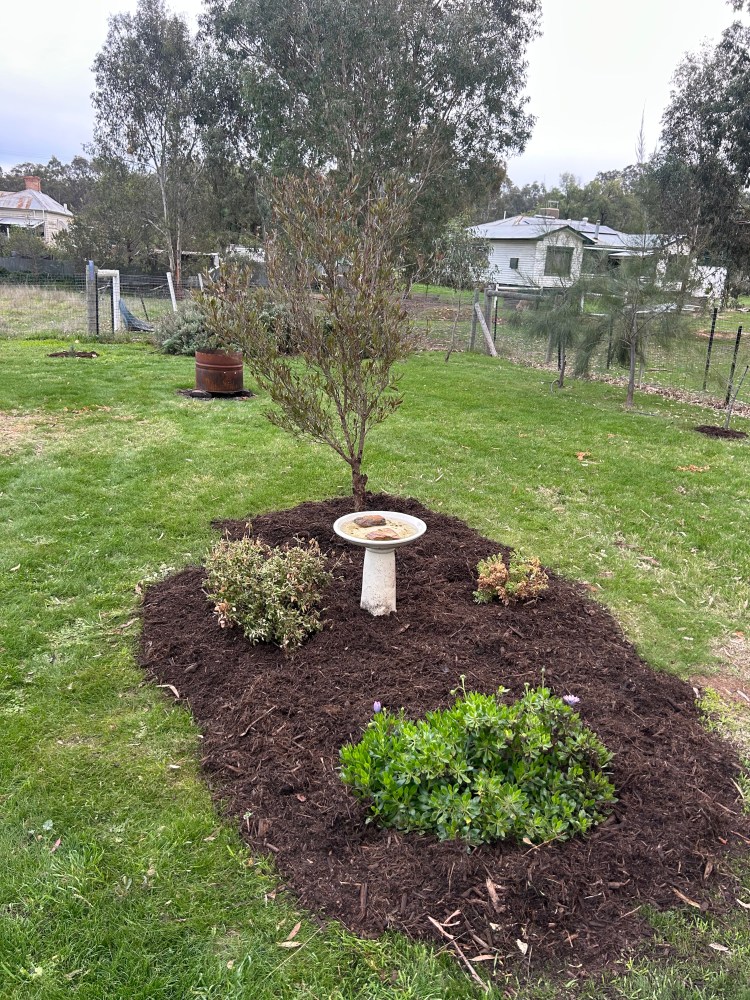
It’s amazing what a nice bit of mulch can do for your garden! Whether it is to lock in moisture and temperature before winter or summer, end of lease clean up, or putting a property on the market, a splash of mulch goes a long way 🙂

Check out my mulch packagers now: click here and book in your job by calling or texting 0478 649 261 or emailing mowingandchainsawservices@gmail.com

  • spreading mulch
  • Mulch


Plant of the Month: Boobialla

Lawn Mowing and Gardening

Boobialla: An Aussie Native Plant Worth Considering

Pros and Cons of Myoporum insulare (Boobialla)

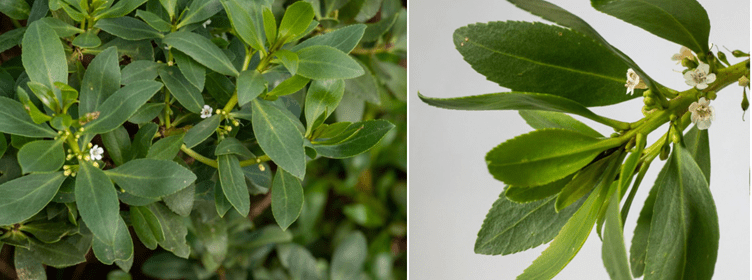
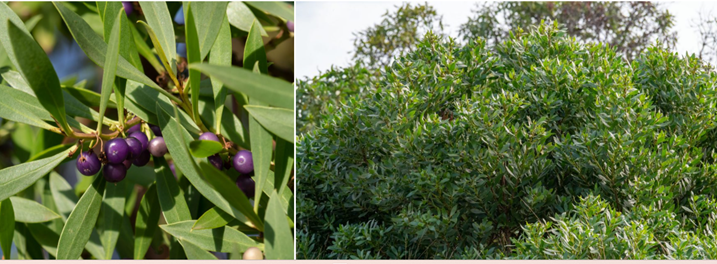
The Boobialla, known botanically as Myoporum insulare, is a resilient and attractive native plant found across coastal regions of Australia. Commonly referred to as “Native Myrtle” or simply “Boobialla”, this shrub or small tree has become a popular choice for gardeners and landscapers looking for hardy, low-maintenance greenery. I have pruned a few Boobialla’s in the Bendigo area which have been 2-3m tall. So despite their costal area tendency’s they will grow quite well in our local conditions, with a little TLC 🙂

Pros of Boobialla

  • Drought and Salt Tolerant: Boobialla thrives in sandy soils and is highly tolerant of salt spray, making it ideal for coastal gardens and exposed sites.
  • Low Maintenance: Once established, it requires minimal watering and can survive on natural rainfall, reducing the need for regular care.
  • Wildlife Friendly: The dense foliage provides shelter for birds, and the small white or mauve flowers attract pollinators like native bees.
  • Versatile Uses: It works well as a hedge, windbreak, or ground cover and can help stabilise sandy soils prone to erosion.

Cons of Boobialla

  • Can Become Invasive: In some situations, Boobialla can spread aggressively, especially in areas outside its native range, potentially outcompeting other plants.
  • Size Control Needed: It can grow quite large if left unchecked, sometimes reaching up to 6 metres, so regular pruning might be necessary for smaller spaces.
  • Susceptible to Scale: Like many natives, it can be prone to pests such as scale insects, particularly in humid or crowded conditions.

In summary, Boobialla (Myoporum insulare) is a tough, attractive plant that suits many Aussie gardens, especially in coastal areas. While it offers numerous benefits, a bit of maintenance and care is needed to keep it in check and healthy.


What We Do


Servicing the Central Gold Fields area Victoria. Currently working weekends only, competitive prices, Insured, Police and WWC Checks, spaces are limited, so get in contact now.

For a no obligation free quote. Contact Anton on:

Email: mowingandchainsawservices@gmail.com

Mob: 0478 649 261

or submit an enquiry using the form below

← Back

Thank you for your response. ✨

Mowing and Whipper Snipping, Small or Large Areas

  • Mowing

Chainsaw and Pole Saw Work

  • Chainsaw, clearing fallen trees
  • Gardening
  • Chainsaw Work - Clearing fallen tree branches
  • Chainsaw work - Clearing fallen tree branches

Hedging and Pruning

  • Hedging

Gardening

  • spreading mulch

Odd Jobs