
Boobialla: An Aussie Native Plant Worth Considering
Pros and Cons of Myoporum insulare (Boobialla)
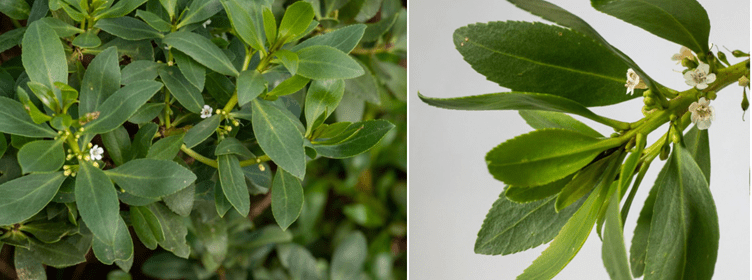
The Boobialla, known botanically as Myoporum insulare, is a resilient and attractive native plant found across coastal regions of Australia. Commonly referred to as “Native Myrtle” or simply “Boobialla”, this shrub or small tree has become a popular choice for gardeners and landscapers looking for hardy, low-maintenance greenery. I have pruned a few Boobialla’s in the Bendigo area which have been 2-3m tall. So despite their costal area tendency’s they will grow quite well in our local conditions, with a little TLC 🙂
Pros of Boobialla
- Drought and Salt Tolerant: Boobialla thrives in sandy soils and is highly tolerant of salt spray, making it ideal for coastal gardens and exposed sites.
- Low Maintenance: Once established, it requires minimal watering and can survive on natural rainfall, reducing the need for regular care.
- Wildlife Friendly: The dense foliage provides shelter for birds, and the small white or mauve flowers attract pollinators like native bees.
- Versatile Uses: It works well as a hedge, windbreak, or ground cover and can help stabilise sandy soils prone to erosion.
Cons of Boobialla
- Can Become Invasive: In some situations, Boobialla can spread aggressively, especially in areas outside its native range, potentially outcompeting other plants.
- Size Control Needed: It can grow quite large if left unchecked, sometimes reaching up to 6 metres, so regular pruning might be necessary for smaller spaces.
- Susceptible to Scale: Like many natives, it can be prone to pests such as scale insects, particularly in humid or crowded conditions.
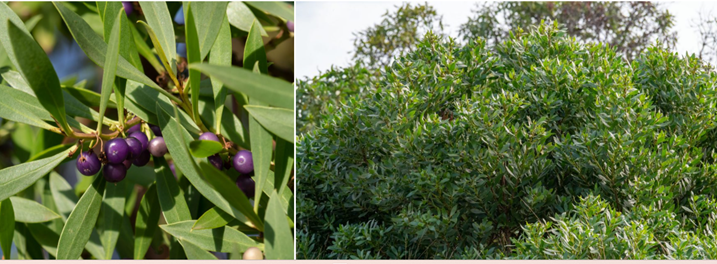
In summary, Boobialla (Myoporum insulare) is a tough, attractive plant that suits many Aussie gardens, especially in coastal areas. While it offers numerous benefits, a bit of maintenance and care is needed to keep it in check and healthy.
 Central Vic Mowing and Chainsaw Services